Thursday, July 17, 2008
Last egg hatched
Friday, July 11, 2008
Update on the hatchlings

Friday, June 27, 2008
Second Baby Hatches


This morning I woke up again to a little baby gecko in my incubator. I must have just missed seeing the actual hatching because the baby was very tired and still had the yolk sac attached. I left him in the incubator until he had absorbed most of his yolk sac and was exploring. I decided to call this baby Roshi and his sibling Broly. Since the eggs were incubated at 85 degrees they have a good chance of being male or female so I will not know the sex for sure until they are older. Roshi has been put in the small tank with Broly. At the moment Roshi is exploring his surroundings as his brother did yesterday, and Broly is resting inside one of the hides.
Thursday, June 26, 2008
The first Hatchling
Thursday, April 24, 2008
More Eggs

Wednesday, April 9, 2008
Gwyn Laid Eggs
All I can do now is wait and see if the egg is healthy enough to hatch. I am not very optimistic as this was her first time laying. The eggs do appear to have embryos but they weren't very healthy looking to begin with. Both eggs had dimples or small sunken spots. The one in the incubator(shown below) looks a little better now. I increased the humidity and it has since become less dimpled.

Here are some basics of anticipating leopard gecko eggs:
Although I did not intend for my geckos to breed, once I found out I had a male and a female I made sure I was prepared for the possibility. If you are breeding your geckos or think your female may be gravid (carrying eggs) it is important to make sure she gets a lot of food and that her food is dusted with calcium. Leopard geckos lay eggs in clutches of two eggs every 2-4 weeks. This sometimes totals 20 or so eggs by the time the breeding season is over in August. In between laying it is important she gets enough energy and calcium to produce the eggs.
Moist Hide/egg laying hide: keep this in the tank at all times. I have a Rubbermaid container with a hole cut in the side. It is filled with vermiculite. (Vermiculite is what the egg is sitting in above. It holds moisture very well and can be found at garden supply stores)
When you notice the female getting large around her lower midsection be sure to check the hide a few times a day for eggs. Set up the incubator in advance to be ready for the eggs.
Eggs: When you find eggs be very conscious about moving them. They should not be rotated at any time. They should be incubated in the same position they were laid because the embryo attaches itself to the top of the egg. If the egg is rotated the embryo will drown. Place the eggs halfway buried in a container filled with moist vermiculite. Then place the container in an incubator. Incubators can be bought or made. Watch this video to learn how to make your own incubator.
Temperature: Set the temperature of the incubator to a temperature from 80-88 degrees. A higher temperature will produce mostly males while a lower temperature will produce mostly females. The temperature should not fluctuate like it should day and night for the geckos. It should remain constant.
Moisture: The vermiculite holding the eggs should be moist but not soaking wet. If the eggs start to dimple increase the moisture. My egg was very dimpled. I covered it with moist vermiculite for a day and most of the dimples filled out. I also have plastic wrap with holes poked in it covering the container to prevent a lot of moisture loss.
If all goes well, in about 45-65 days, depending on the temperature they are kept at, the eggs will hatch (eggs kept at a high temp will hatch faster).
Thursday, March 20, 2008
Leopard gecko eyes
Gwyn has normal eyes.

Cyra's eyes are known as "Las Vegas."

Other eye colors available include all black and red. For more information on Leopard Gecko genetics check out these sites.
http://www.geckosetc.com/htm/genetics.htm
http://www.leopardgecko.co.uk/documents/caresheet/genetics.htm
Monday, March 10, 2008
Gwyn Shedding
I had the pleasure of watching Gwyn shed last night. It was a very long process but here are a few pictures.


She began by rubbing herself against the walls and dishes. When she got old skin off of her neck and front legs she was able to reach around and grab the shedding skin in her mouth. She proceeded to pull off and eat the rest of the skin.
Saturday, March 8, 2008
She's a He
Both Gwyn and Cyra were temperature sexed as eggs to be females, but this is not 100% accurate. When I watched Cyra and Gwyn interact last night I knew right away what was on Cyra's mind. From what I had read about breeding Leopard Geckos all the signs were there that Cyra was ready to mate with Gwyn right then and their. First she smelled (licked) the air and approached Gwyn. Her tail tip moved back and forth so fast that it made a buzzing sound. She then proceeded to lightly bite Gwyn at the base of her tail and up her back. At this point Gwyn ran away and I put the divider back in place. If Gwyn had not run away they most likely would have mated. After a quick double check on a website about Leopard Gecko mating behaviors I was sure that I could not call Cyra a she anymore!
Next I checked the physical signs of male and female Leopard Geckos. These are not actual pictures of Cyra and Gwyn but this is what I saw.

This news is somewhat disappointing because I really wanted Cyra and Gwyn to share their tank. The cardboard divider was meant to be temporary. They could live together when breeding season is over, but I have read that this can stress them out. I am also concerned that the two have already mated. A week ago the divider got moved in the middle of the night and they were able to reach each other. They could have already mated at this time.
Just in case Gwyn and Cyra have already mated, I have ordered an incubator and some vermiculite. Although I would love babies, it is highly recommended that Leopard Geckos be at least a year old before mating. Also, there are possibilities of complications in egg laying that could hurt Gwyn.
Tuesday, March 4, 2008
Problems Encountered
Shedding:
Cyra did not shed properly once and was left with a small string of skin left wrapped around the tip of her tail. She was very small and did not like to be picked up. I was afraid to mess with her tail because I did not want her to drop it. I just left the skin there and she lost half of a centimeter from her tail. The skin cut off the circulation and the tip dried up and fell off.
To prevent this in the future I make sure the moist hide stays moist. I have also learned that I can place them in a small container with some warm water if there is some shed skin that will not come off.
Cyra stopped eating!
Two and a half months ago Cyra stopped eating. Prior to this her eating habits were regular, but she did not eat much. I was only feeding mealworms at this time. I would leave mealworms for her in the cage, but this just led to Gwyn eating even more than I already fed her. Gwyn was a week older then Cyra to begin with, but she was getting a lot bigger than Cyra until eventually Cyra stopped eating altogether.
Possible reasons:
- parasites
- bullying from Gwyn
- lack of variety (sick of only mealworms)
- cage too large
After two weeks with the change I was getting worried. Cyra's tail was getting smaller. I purchased Repta Aid. I mixed up the formula and put small drops on her nose for her to lick off. Within a the week she was licking the formula from a Q-tip dipped in it. This seemed to bring her appetite back and she started eating again! She is now eating a variety of crickets and mealworms but she loves crickets. Her tail is looking much fatter and she is catching up to Gwyn in size. Soon I am going to try and take the divider out and see how they do.
Visit http://www.drgecko.com/ for more reading on common problems.
How are the Leos today? New Videos!
Set up:
20 gallon long terrarium with sliding, locking screen top.
- substrate: reptile carpet
- moist hide: "shedding stump"
- for climbing: resin basking branches, and a piece of driftwood
- hides: resin log, and a driftwood hide
- water dish: corner rock dish
- food dish: small ceramic dish
- large clamp lamp
- 150 watt infrared heat bulb
- small heating pad (stuck to side terrarium wall rather than floor)
- thermostat
I feed them every other day. Both seem to prefer crickets but I vary between the two.
- medium to large sized mealworms (gutloaded with a mixture of plain oats, bran, and wheatgerm)
- large crickets (gutloaded with commercial cricket food and kept in a "cricket keeper")
- water: bottled water or GLUB
Wednesday, February 27, 2008
Feeding
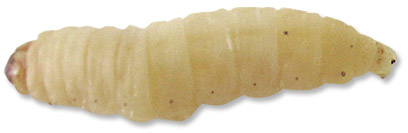
Here are some video clips of Cyra and Gwyn eating meal worms, crickets and a wax worm.

Crickets: I found these very difficult to deal with at first, smelled bad, and did not live for very long. I soon switched to mostly meal worms.
Since, I have been buying crickets on a regular basis to keep a variety for the girls. I am now more experienced with them and they are quite easy to feed.
Meal worms: These were very easy to handle, would not die for weeks (longer if kept in the fridge), and did not smell. When I get meal worms I keep them in a container with a mixture of oats, bran, and wheat germ so they are properly gut loaded. 
Both Cyra and Gwyn seemed to like the meal worms. Gwyn would eat them out of a dish but for Cyra I would have to place them in front of her as she likes to hunt them on the run.
Wax worms: These are meant to be a treat to Leos. They are very high in fat. I give them wax worms every once in a while but I find that they are expensive and die very quickly. ![]()
Silkworms: The only other food I have offered to my Leos are silkworms. These are very nutritious and do not have a hard outer shell as meal worms do, making them easier to digest.

I had to order silkworms and their food online (they only eat mulberry leaves or the pre-made food made with mulberry leaves). They lasted a long time but were higher maintenance. I also tried a cheaper method of buying the silkworm eggs on eBay. After a few weeks some did hatch but they were so tiny. I was not able to keep them alive long enough for them to grow big enough to give to my geckos.
Cyra would not eat the silkworms so Gwyn ate the silkworms and Cyra continued a diet of crickets and meal worms. I have not ordered the silkworms again but would not hesitate to do so if I had extra money lying around.
They Arrive (early July 2007)
- Pet Store
- Pros - can drive to store and pick one out, no shipping cost
- Cons - less variety of color to select from, often very young babies, some pet stores may not properly care for them
- Breeder
- Pros - will make sure gecko is eating well and old enough to be sold (about 2 weeks old or more), huge variety of colors, you can get good advice from the breeder
- Cons - shipping cost is usually $50, you must be home when they arrive next day
I decided to buy my geckos from a breeder. Kingsnake.com classifieds has a listing of geckos for sale from breeders. I found a great selection of baby leopard geckos at Crestedgecko.com. I contacted the breeder Garrick DeMeyer via email to check the availability of the two I had my eye on. I had decided to get a Banana Blizzard and a Las Vegas Patternless Albino. Both had to be female if they were going to live together. Two males would fight, and a male and female could mate. These geckos were incubated to be female. Garrick and I spoke on the phone about a shipping day that worked for us. By 10:30am the next day air delivered a small package to my front door.
Gwyn is a banana blizzard
Cyra is a Las Vegas Patternless Albino

Leopard Geckos change as they become adults. As Cyra gets older she will lose the pattern she has now. Gwyn will look slightly different as well.
My Setup

Cage:
1o.5 inch diameter HerpHaven. This was a temporary home while the Leos were still very small.
Substrate:
Paper Towels - Cheap, easy to clean, safe
Heating:
- 75 watt clamp lamp
- 50 watt infrared heat bulb - Leos do not need UV and UVB lighting. Infrared heat bulbs provide heat without giving off light that will disturb the geckos at night.
- Two stick on thermometers - one for hot end of cage and one for cool end.
- Electronic Reptile Temperature controller - will turn off heat when set temperature has been reached.
- Small ceramic feeding dish
- Small ceramic water dish
- Toilet paper tube cut in half for hide
- Butter tub with hole cut in top and side for a moist hide - to aid in shedding.
Feeding:
- Small crickets (live)
- Cricket Food/gutload
- Cricket Keeper- to house and gutload crickets before feeding
- Mini Meal worms (live)
- Leopard Gecko dust - contains vitamins, minerals, and calcium to dust onto crickets before feeding
Why Leopard Geckos and How to Start
First, I am a huge animal lover. Having family members with allergies has really kept my pet options very slim. My pet history consists of ducks, chickens, rabbits, and most recently, my first indoor pet, a hamster. When my hamster died after only two years I was devastated. I knew dwarf hamsters did not live for much longer than 2 years but I really loved that little guy. In my search for a new pet I had some important criteria.
- Longer lifespan
- Able to keep in my dorm room and my home
- Easy to care for
- Touchable
- Tolerate handling
- Live in a Tank
- Only get 6-8 inches
- Live for 10-20 years
- Great "beginner lizard"
- Many color options
The following links were very useful in researching how to care for Leopard Geckos. I have found that most are slightly different. I read many resources from successful owners, breeders, and experts to be as informed as possible before I decided to own a Leopard Gecko.
- http://www.leopardgecko.com/emcare.html
- http://www.drgecko.com/
- http://www.anapsid.org/leopardgek.html
- http://www.leopardgeckoguide.com/
There are many excellent resources out there. Simply search for Leopard Gecko care. Thanks to the research I did online, I learned that the pet stores do not always know what is best for Leo. Places such as Petco and Petsmart sell a commercial Leopard Gecko starter kit. This kit contains a few things that will not only be useless, but could do harm to the Gecko.
- Harmful- Repti sand/calcium sand...any sand or loose substrate. Pet stores label these to use on the bottom of lizard cages. Leos (especially babies) can accidentally ingest anything loose. They are not able to digest or pass the sand and become impacted, will not be able to eat, and can die.
- Useless- Can of pre-killed or freeze dried crickets and meal worms. Leopard Geckos like their food live!
I suggest reading up on Leopard Gecko Care as much as possible before deciding to own one. They are wonderful pets, but as I take you through my experiences you will see that they are easy to care for in comparison to other lizards, but they can pose some difficulties for a first time owner such as myself.
After my research I decided I wanted to get two Leopard Geckos from a breeder.


