Photos

Wednesday, February 27, 2008

Feeding


Here are some video clips of Cyra and Gwyn eating meal worms, crickets and a wax worm.


Crickets: I found these very difficult to deal with at first, smelled bad, and did not live for very long. I soon switched to mostly meal worms.


Since, I have been buying crickets on a regular basis to keep a variety for the girls. I am now more experienced with them and they are quite easy to feed.


Meal worms: These were very easy to handle, would not die for weeks (longer if kept in the fridge), and did not smell. When I get meal worms I keep them in a container with a mixture of oats, bran, and wheat germ so they are properly gut loaded.


Both Cyra and Gwyn seemed to like the meal worms. Gwyn would eat them out of a dish but for Cyra I would have to place them in front of her as she likes to hunt them on the run.


Wax worms: These are meant to be a treat to Leos. They are very high in fat. I give them wax worms every once in a while but I find that they are expensive and die very quickly.
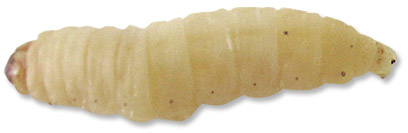

Silkworms: The only other food I have offered to my Leos are silkworms. These are very nutritious and do not have a hard outer shell as meal worms do, making them easier to digest.


I had to order silkworms and their food online (they only eat mulberry leaves or the pre-made food made with mulberry leaves). They lasted a long time but were higher maintenance. I also tried a cheaper method of buying the silkworm eggs on eBay. After a few weeks some did hatch but they were so tiny. I was not able to keep them alive long enough for them to grow big enough to give to my geckos.


Cyra would not eat the silkworms so Gwyn ate the silkworms and Cyra continued a diet of crickets and meal worms. I have not ordered the silkworms again but would not hesitate to do so if I had extra money lying around.

They Arrive (early July 2007)

There are two options when purchasing a baby Leopard Gecko.


  1. Pet Store
  • Pros - can drive to store and pick one out, no shipping cost


  • Cons - less variety of color to select from, often very young babies, some pet stores may not properly care for them

  1. Breeder
  • Pros - will make sure gecko is eating well and old enough to be sold (about 2 weeks old or more), huge variety of colors, you can get good advice from the breeder

  • Cons - shipping cost is usually $50, you must be home when they arrive next day


I decided to buy my geckos from a breeder. Kingsnake.com classifieds has a listing of geckos for sale from breeders. I found a great selection of baby leopard geckos at Crestedgecko.com. I contacted the breeder Garrick DeMeyer via email to check the availability of the two I had my eye on. I had decided to get a Banana Blizzard and a Las Vegas Patternless Albino. Both had to be female if they were going to live together. Two males would fight, and a male and female could mate. These geckos were incubated to be female. Garrick and I spoke on the phone about a shipping day that worked for us. By 10:30am the next day air delivered a small package to my front door.


Gwyn is a banana blizzard


Cyra is a Las Vegas Patternless Albino

Leopard Geckos change as they become adults. As Cyra gets older she will lose the pattern she has now. Gwyn will look slightly different as well.

My Setup

As recommended, the habitat for Leopard Geckos should be complete before bringing new pets home. Here is what I chose to house my new baby leopard geckos:


Cage:
1o.5 inch diameter HerpHaven. This was a temporary home while the Leos were still very small.


Substrate:
Paper Towels - Cheap, easy to clean, safe


Heating:
  • 75 watt clamp lamp
  • 50 watt infrared heat bulb - Leos do not need UV and UVB lighting. Infrared heat bulbs provide heat without giving off light that will disturb the geckos at night.
  • Two stick on thermometers - one for hot end of cage and one for cool end.
  • Electronic Reptile Temperature controller - will turn off heat when set temperature has been reached.

Accessories:


  • Small ceramic feeding dish
  • Small ceramic water dish
  • Toilet paper tube cut in half for hide
  • Butter tub with hole cut in top and side for a moist hide - to aid in shedding.

Feeding:

  • Small crickets (live)
  • Cricket Food/gutload
  • Cricket Keeper- to house and gutload crickets before feeding
  • Mini Meal worms (live)
  • Leopard Gecko dust - contains vitamins, minerals, and calcium to dust onto crickets before feeding

Why Leopard Geckos and How to Start

Why Leos?
First, I am a huge animal lover. Having family members with allergies has really kept my pet options very slim. My pet history consists of ducks, chickens, rabbits, and most recently, my first indoor pet, a hamster. When my hamster died after only two years I was devastated. I knew dwarf hamsters did not live for much longer than 2 years but I really loved that little guy. In my search for a new pet I had some important criteria.
  1. Longer lifespan
  2. Able to keep in my dorm room and my home
  3. Easy to care for
  4. Touchable
Using my favorite resource, Google, I started searching for "small pets" and "apartment/dorm room pets." I came across the idea of a lizard. I read many different options and learned that Leopard Geckos were a great pet for first time lizard owners. After seeing a few pictures of Leos I was hooked. They always looked like they were smiling! It was very possible that this could be the perfect pet for me. While away on vacation I began to research Leopard Gecko care every night for the entire week. I found that they met my criteria and more:
  • Tolerate handling
  • Live in a Tank
  • Only get 6-8 inches
  • Live for 10-20 years
  • Great "beginner lizard"
  • Many color options
How I Started:
The following links were very useful in researching how to care for Leopard Geckos. I have found that most are slightly different. I read many resources from successful owners, breeders, and experts to be as informed as possible before I decided to own a Leopard Gecko.

There are many excellent resources out there. Simply search for Leopard Gecko care. Thanks to the research I did online, I learned that the pet stores do not always know what is best for Leo. Places such as Petco and Petsmart sell a commercial Leopard Gecko starter kit. This kit contains a few things that will not only be useless, but could do harm to the Gecko.

  • Harmful- Repti sand/calcium sand...any sand or loose substrate. Pet stores label these to use on the bottom of lizard cages. Leos (especially babies) can accidentally ingest anything loose. They are not able to digest or pass the sand and become impacted, will not be able to eat, and can die.
  • Useless- Can of pre-killed or freeze dried crickets and meal worms. Leopard Geckos like their food live!

I suggest reading up on Leopard Gecko Care as much as possible before deciding to own one. They are wonderful pets, but as I take you through my experiences you will see that they are easy to care for in comparison to other lizards, but they can pose some difficulties for a first time owner such as myself.

After my research I decided I wanted to get two Leopard Geckos from a breeder.